Go Back
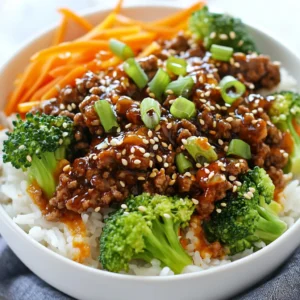
To make your Spicy Korean Beef Bowls, you need: - 1 lb (450g) ground beef - 1 tablespoon sesame oil - 3 cloves garlic, minced - 1 inch ginger, grated - 1/4 cup soy sauce - 2 tablespoons gochujang (Korean chili paste) - 2 tablespoons brown sugar - 1 tablespoon rice vinegar - 1 cup broccoli florets - 1 cup carrots, julienned - 2 green onions, sliced - Cooked rice (for serving) - Sesame seeds (for garnish) You can swap ground beef for ground turkey or chicken. These meats work well. If you want a vegetarian option, try using tofu or tempeh. For the soy sauce, you can use tamari for a gluten-free option. If you can’t find gochujang, mix chili paste with a bit of sugar. You can also use honey instead of brown sugar for sweetness. When picking broccoli, look for bright green florets. They should not be yellow or wilted. For carrots, choose firm ones with no soft spots. Fresh green onions should have vibrant green tops and no brown ends. If you can, buy organic to get the best flavor. Always check for freshness to make your dish taste great! {{ingredient_image_1}} Start by heating one tablespoon of sesame oil in your skillet. Use medium heat until it shines. Add three cloves of minced garlic and one inch of grated ginger. Sauté these for about 30 seconds. You want to smell that great aroma! Next, increase the heat to medium-high. Add one pound of ground beef to the skillet. Break it apart with a wooden spoon. Cook this for about 5 to 7 minutes. The beef should be browned and cooked through. In a separate bowl, mix together 1/4 cup of soy sauce, two tablespoons of gochujang, two tablespoons of brown sugar, and one tablespoon of rice vinegar. Stir until it is smooth. Once the beef is ready, pour this sauce over it. Make sure to stir well so everything gets coated. The sweet and spicy flavors will meld perfectly! Now it’s time to add some color and crunch! Add one cup of broccoli florets and one cup of julienned carrots to the beef. Cook these for another five minutes. You want them to be tender but still bright and crisp. Once ready, remove the skillet from the heat. Stir in two sliced green onions, saving some for later. Serve this spicy beef mix over cooked rice. Don’t forget to sprinkle sesame seeds and the reserved green onions on top for a lovely finish! To turn up the heat, add more gochujang. Try using two tablespoons instead of one. You can also add sliced fresh chili peppers. Jalapeños work well. For a smoky flavor, toss in some smoked paprika. This will give your dish a deep, spicy kick. For a great texture, do not overcook the beef. Cook it just until browned. This keeps it juicy and tender. When adding vegetables, cook them until they are bright and crisp. This adds a nice crunch to your bowl. Make sure to stir well so everything mixes evenly. Serve your spicy beef over a bed of hot cooked rice. Jasmine or white rice are great choices. You can also add a side of kimchi for extra flavor. Top your bowl with sesame seeds and more green onions. This makes the dish look colorful and inviting. Pro Tips Use Fresh Ingredients: Fresh garlic and ginger will elevate the flavor of your beef bowls significantly. Try to use them instead of dried or powdered versions for the best taste. Adjust Spice Level: If you prefer a milder dish, reduce the amount of gochujang or add it gradually until you reach your desired spice level. Veggie Variations: Feel free to substitute or add other vegetables like bell peppers, snap peas, or bok choy to customize your bowls and increase nutrition. Rice Choice: For a healthier option, consider using brown rice or cauliflower rice instead of white rice to pack in more nutrients and fiber. {{image_2}} You can easily make a vegetarian version of spicy Korean bowls. Just swap the ground beef for textured vegetable protein or tofu. Both soak up flavors well. Use the same sauce mix to keep that spicy kick. If you want a vegan bowl, ensure you pick a plant-based gochujang. This way, you keep it tasty and friendly for all diets. Don’t stick to just beef! You can use ground turkey or chicken instead. These proteins have a milder taste but work just as well. For a richer flavor, try pork or lamb. They both add a unique twist to your bowls. Just adjust the cooking time based on the protein you choose. Feel free to mix and match your veggies! Bell peppers, snap peas, and zucchini are great options. You can even add mushrooms for an earthy flavor. The key is to keep the veggies vibrant and crisp, so add them at the right time. This keeps your meal colorful and fun to eat! To store your spicy Korean beef bowls, let them cool first. Place the beef and veggies in an airtight container. Make sure to keep the rice separate. Store everything in the fridge for up to three days. This way, your meal stays fresh and tasty. When you're ready to eat, take the beef and rice out of the fridge. You can reheat them in the microwave. Heat the beef for about one to two minutes. Stir halfway to warm it evenly. For the rice, heat it for about 30 seconds. Add a splash of water if it seems dry. If you want to save your spicy Korean beef bowls for later, freezing works well. Pack the cooled beef and veggies in freezer bags or containers. Remove as much air as possible to prevent freezer burn. You can freeze the beef for up to three months. However, it's best to freeze the rice separately. When ready to enjoy, thaw overnight in the fridge and reheat as you normally would. Gochujang is a spicy Korean chili paste. It adds a deep, rich flavor to dishes. You can find gochujang in Asian markets or large grocery stores. Look in the international aisle. Gochujang is often sold in red tubs or squeeze bottles. If you can't find it, try ordering online. Yes, you can use different meats for this recipe. Ground pork, turkey, or chicken work well. Each type will change the taste slightly. If you want a plant-based option, try using firm tofu. Just crumble it before cooking. Make sure to adjust cooking times if you switch meats. Several side dishes complement Spicy Korean Beef Bowls nicely. Here are a few ideas: - Kimchi: This spicy, fermented vegetable dish adds a tangy kick. - Steamed rice: A classic choice for soaking up flavors. - Cucumber salad: A refreshing side that balances the spice. - Pickled radishes: These add crunch and a sweet-tangy taste. Feel free to mix and match these sides to enhance your meal. This article covers how to make Spicy Korean Beef Bowls. We discussed key ingredients, cooking steps, and tips for freshness. You learned ways to boost spice and texture, plus variations for different diets. Storing tips and answers to common questions help you enjoy this dish longer. In conclusion, this meal is flexible and satisfying. You can tailor it to your taste. Enjoy experimenting with your own versions! Trust me; it will be delicious.

Spicy Korean Beef Bowls

A flavorful and spicy dish featuring ground beef, vegetables, and a savory sauce, served over rice.
Prep Time 10 minutes
Cook Time 15 minutes
Total Time 25 minutes
Course Main Course
Cuisine Korean
Servings 4
Calories 450 kcal

Ingredients
  

  • 1 lb ground beef
  • 1 tablespoon sesame oil
  • 3 cloves garlic, minced
  • 1 inch ginger, grated
  • 1 cup soy sauce
  • 2 tablespoons gochujang (Korean chili paste)
  • 2 tablespoons brown sugar
  • 1 tablespoon rice vinegar
  • 1 cup broccoli florets
  • 1 cup carrots, julienned
  • 2 green onions sliced
  • to taste cooked rice (for serving)
  • to taste sesame seeds (for garnish)

Instructions
 

  • In a large skillet, heat the sesame oil over medium heat until shimmering.
  • Add the minced garlic and grated ginger to the skillet, sautéing for about 30 seconds until fragrant.
  • Increase the heat to medium-high and add the ground beef, breaking it up with a wooden spoon. Cook until browned and cooked through, about 5-7 minutes.
  • In a bowl, mix together the soy sauce, gochujang, brown sugar, and rice vinegar until smooth. Pour this sauce over the cooked beef, stirring well to combine.
  • Add the broccoli and carrots to the skillet, cooking for an additional 5 minutes until the vegetables are tender but still bright and crisp.
  • Remove from heat and stir in sliced green onions, reserving some for garnish.
  • Serve the spicy beef mixture over a scoop of cooked rice, and sprinkle with sesame seeds and remaining green onions for garnish.

Notes

Adjust the level of gochujang to taste for desired spiciness.
Keyword beef, korean, quick meal, rice, spicy