Go Back
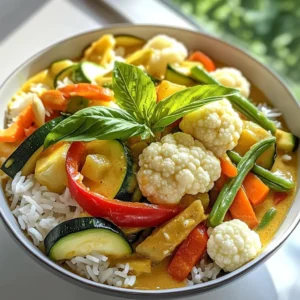
- 1 can (400ml) coconut milk - 1 tablespoon red curry paste - 1 medium onion, diced - 2 cloves garlic, minced - 1 tablespoon fresh ginger, grated - 2 carrots, sliced - 1 red bell pepper, diced - 1 zucchini, diced - 1 cup green beans, trimmed and halved - 1 cup cauliflower florets - 1 tablespoon soy sauce (or tamari for gluten-free) - 1 tablespoon lime juice - Fresh basil leaves for garnish - Cooked jasmine rice for serving - Salt to taste When making this curry, the coconut milk gives it a rich, creamy base. The red curry paste adds a burst of flavor. Fresh vegetables bring in texture and nutrition. Seasoning ingredients like soy sauce and lime juice brighten the dish. - Tofu or chickpeas for added protein - Extra spices like turmeric or cumin Feel free to mix in proteins like tofu for a heartier meal. You can add spices for more flavor. - Slow cooker - Chopping board - Knife You will need a slow cooker to let the flavors meld. A chopping board and knife make prep easy. These tools help you create this tasty dish. Start by mixing the coconut milk and red curry paste in your slow cooker. Use a whisk or spoon to blend them well. This step adds a creamy and spicy base. Next, add the diced onion, minced garlic, and grated ginger. These aromatics boost the flavor. Stir well to combine everything. Now, it’s time to layer in the vegetables. Add sliced carrots, diced red bell pepper, and diced zucchini. Include the trimmed green beans and cauliflower florets too. Make sure to distribute the veggies evenly. This ensures that every bite is full of flavor. Cover the slow cooker and set it to low heat. Cook for 4 to 6 hours. This slow cooking lets the flavors develop. Make sure to check the veggies for doneness. They should be tender but not mushy. After cooking, stir the curry well. Adjust the seasoning if needed. Enjoy your meal over jasmine rice, topped with fresh basil leaves! To make your Slow Cooker Veggie Thai Curry just right, start with spice levels. You can adjust them to your taste. If you like it spicy, add more red curry paste. For a milder flavor, use less. Taste as you go! Balancing flavors is key too. The coconut milk gives sweetness, while lime juice adds tang. Soy sauce brings saltiness. Mix these to find your perfect balance. Don’t forget to stir well before serving for an even taste. If you need gluten-free options, use tamari instead of soy sauce. This swap keeps the flavor while making it safe for everyone. Seasonal vegetables can enhance your dish. For spring, try asparagus or peas. In fall, sweet potatoes or squash work well. Feel free to swap veggies based on what you have. Serve your curry over jasmine rice for a wonderful combo. The rice soaks up the curry's rich flavors, making every bite delicious. Garnish with fresh basil leaves for a pop of color and added aroma. You can also sprinkle some chopped peanuts for a crunchy texture. Enjoy your beautiful meal! {{image_2}} You can make this curry even heartier with protein. Tofu and beans work great. Tofu soaks up the curry flavors well. Beans like chickpeas or black beans add nice texture. Just toss them in during cooking. Tempeh or lentils are also good choices. Tempeh has a nutty taste that enhances the dish. Lentils cook well and add fiber. Use cooked lentils for a quicker option. Want a different twist? Try a green curry variation. Swap the red curry paste for green. This change gives a fresh and spicy taste. You could also use different nut milks. Almond or cashew milk can add a creamy touch. For a sweeter flavor, coconut cream adds richness. Adjust the spice level based on your taste. This keeps your curry exciting every time. Make this dish your own with local spices. Add cumin or coriander for warmth. If you have fresh herbs like cilantro, toss those in too. Adapting to what's available is key. Use seasonal vegetables you like. If zucchini is not in season, try eggplant or bell peppers. This way, you will always have a delicious curry! If you have leftovers, let the curry cool down first. Transfer it to an airtight container. Store it in the fridge. It will stay fresh for about 3 to 4 days. When you're ready to eat, reheat the curry on the stove. Stir it often to heat evenly. You can also use the microwave. Just cover it and heat it for 1-2 minutes. Check to make sure it's hot all the way through. For long-term storage, you can freeze the curry. Use a freezer-safe container or bag. Make sure to leave some space for expansion as it freezes. The curry will keep well for up to 3 months. When you're ready to use it, take it out of the freezer. Thaw it overnight in the fridge. For a quick thaw, place it in cold water. Once thawed, reheat it as you would with leftovers. In the fridge, the Slow Cooker Veggie Thai Curry lasts about 3 to 4 days. Always check for signs of spoilage. Look for changes in color or smell. If it smells sour or off, it’s best to toss it. Also, if the texture seems slimy or grainy, do not eat it. Enjoy your curry while it’s fresh for the best taste! You can serve the curry with: - Cooked jasmine rice - Quinoa or brown rice - Naan bread or flatbreads - A fresh green salad - Steamed broccoli or bok choy These sides balance well with the rich curry flavors and add variety to your meal. The creamy coconut milk pairs nicely with rice, soaking up all the delicious sauce. A salad adds crunch and freshness. To add heat, try these tips: - Use more red curry paste - Add sliced fresh chili peppers - Include a dash of chili flakes - Mix in sriracha or hot sauce Start with small amounts and taste as you go. This way, you can find the perfect spice level for your palate. Yes, you can use frozen vegetables! Here’s what to consider: - Frozen vegetables are convenient and often just as good as fresh. - They may cook faster, so check for doneness early. - Add them halfway through cooking to keep some texture. Using frozen veggies can save time and reduce waste, making your cooking more efficient. This blog post covered the essential ingredients for a great Slow Cooker Veggie Thai Curry, along with tips for customization, equipment needed, and cooking instructions. You can mix coconut milk and spices, layer fresh veggies, and adjust flavors to suit your taste. Don’t forget about storage tips for both short and long-term use. Remember, this dish is versatile and can easily adapt to what you have on hand. Enjoy making this tasty meal anytime you crave comfort food!

Slow Cooker Veggie Thai Curry

Savor the rich flavors of Slow Cooker Veggie Thai Curry with this easy recipe! Packed with fresh vegetables and creamy coconut milk, this dish is a comforting, healthy meal perfect for any night. Simply combine the ingredients in your slow cooker and let it work its magic. Ideal for busy days, this curry will impress your family and friends. Click through for the full recipe and enjoy! #VeganRecipes #SlowCooker #ThaiCurry #HealthyEating

Ingredients
  

1 can (400ml) coconut milk

1 tablespoon red curry paste

1 medium onion, diced

2 cloves garlic, minced

1 tablespoon fresh ginger, grated

2 carrots, sliced

1 red bell pepper, diced

1 zucchini, diced

1 cup green beans, trimmed and halved

1 cup cauliflower florets

1 tablespoon soy sauce (or tamari for gluten-free)

1 tablespoon lime juice

Fresh basil leaves for garnish

Cooked jasmine rice for serving

Salt to taste

Instructions
 

In the slow cooker, combine the coconut milk, red curry paste, diced onion, minced garlic, and grated ginger. Stir well to blend the spices into the coconut milk.

    Add the sliced carrots, diced red bell pepper, zucchini, green beans, and cauliflower florets to the slow cooker. Mix everything together.

      Pour in the soy sauce and lime juice, stirring to incorporate. Add salt to taste.

        Cover the slow cooker and set it to low heat. Cook for 4-6 hours, or until the vegetables are tender.

          Once cooked, give the curry a good stir and adjust seasoning if necessary.

            Serve hot over jasmine rice and garnish with fresh basil leaves for an aromatic finish.

              Prep Time: 15 minutes | Total Time: 6 hours | Servings: 4-6