
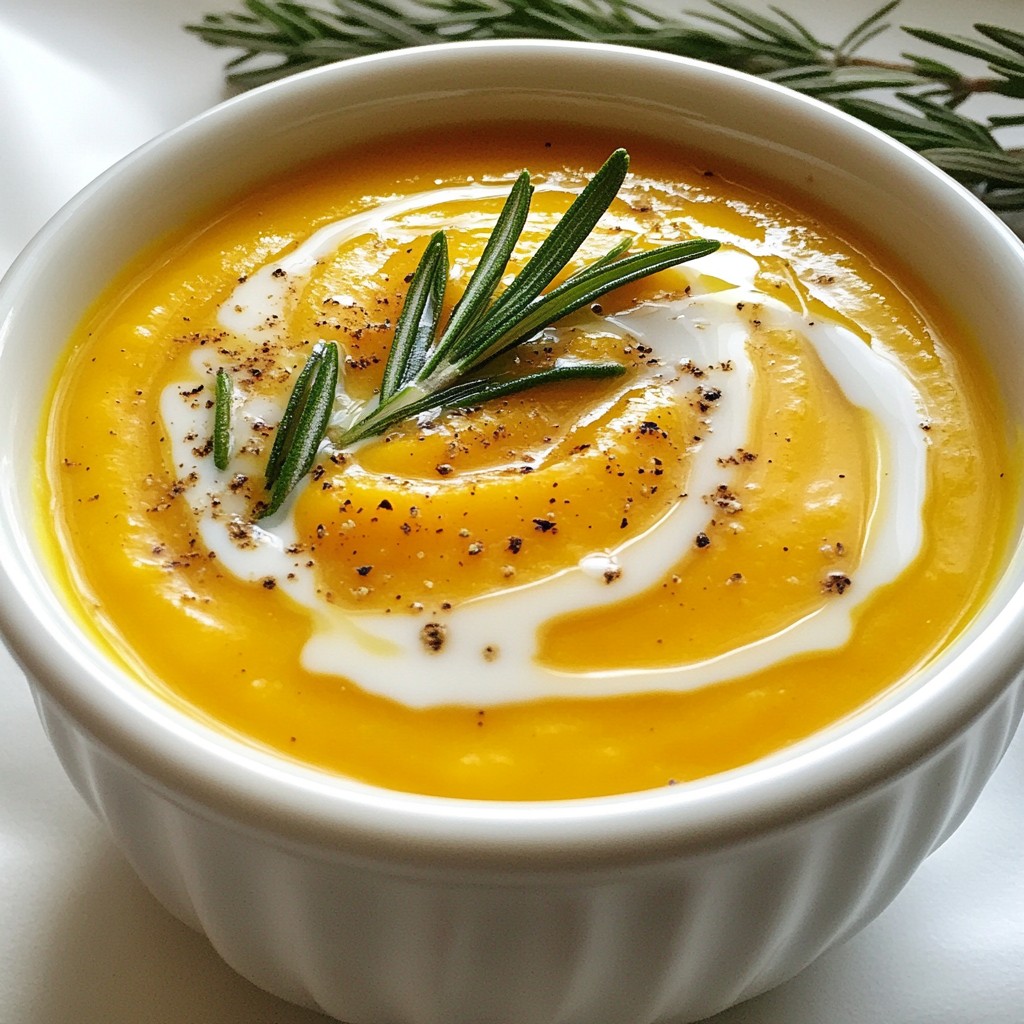
Cozy up with a warm bowl of Roasted Butternut Squash Soup—your new favorite comfort food! Packed with rich flavors and creamy goodness, this soup is easy to make and perfect for any day. I'll guide you step-by-step through the ingredients, roasting methods, and blending techniques that create this tasty dish. Get ready to enjoy a meal that warms both your body and soul!
Why I Love This Recipe
- Simple Preparation: This soup is easy to make, requiring minimal ingredients and straightforward steps that anyone can follow.
- Rich Flavor: The combination of roasted butternut squash, coconut milk, and spices creates a creamy, flavorful soup that's perfect for any season.
- Healthy and Nutritious: Butternut squash is packed with vitamins and minerals, making this soup not only delicious but also a healthy choice.
- Customizable: This recipe can be easily adapted to include your favorite herbs or spices, allowing you to personalize it to your taste.
Ingredients
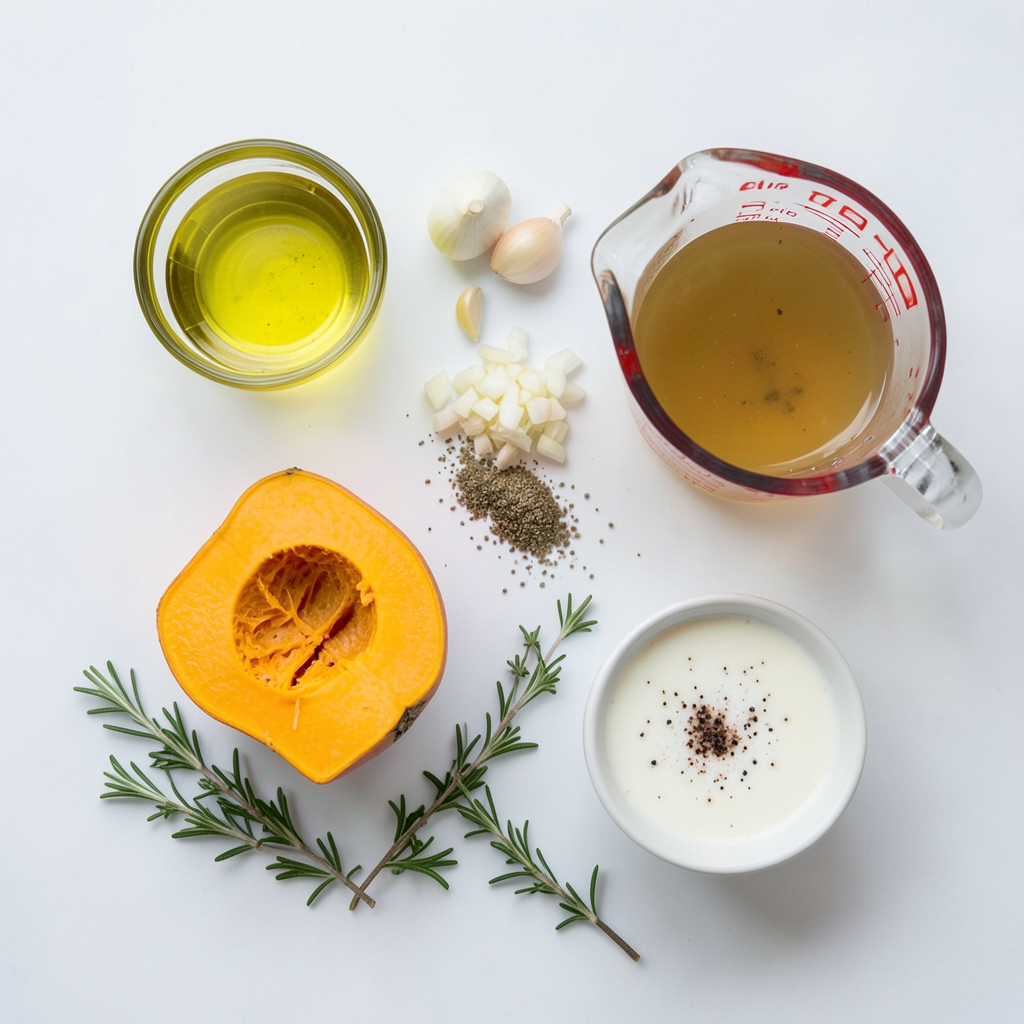
To make roasted butternut squash soup, you need simple, fresh ingredients. Each one adds to the flavor and warmth of this dish.
List of Ingredients
- Butternut squash and oil details
- 1 medium butternut squash (3-4 pounds)
- 1 tablespoon olive oil
- Aromatics and spices
- 1 medium onion, chopped
- 2 cloves garlic, minced
- 1 teaspoon ground cumin
- 1/2 teaspoon ground nutmeg
- Broth and cream options
- 4 cups vegetable broth
- 1 cup coconut milk
- Salt and pepper to taste
- Fresh rosemary or thyme for garnish
The butternut squash gives the soup its rich taste. Olive oil helps with roasting and adds flavor. Onion and garlic bring depth to the dish. Cumin and nutmeg add warmth and spice. Vegetable broth makes the soup smooth, while coconut milk adds creaminess. Lastly, season with salt and pepper, and top with fresh herbs for a lovely finish.
Step-by-Step Instructions
Preparation of Butternut Squash
First, preheat your oven to 400°F (200°C). This step is key for getting that rich flavor. While the oven warms up, take your medium butternut squash. Cut it in half and remove the seeds. Drizzle each half with olive oil and sprinkle salt on top. Place the squash cut-side down on a baking sheet.
Now, roast the squash in the oven for about 40-45 minutes. You want it to be soft, so check it with a fork. When it’s ready, take it out and let it cool a bit. Then, scoop out the soft flesh into a bowl.
Cooking the Soup Base
In a large pot, heat a tablespoon of olive oil over medium heat. Add your chopped onion and sauté it for about 5 minutes. You want it to look translucent. Next, toss in the minced garlic, ground cumin, and nutmeg. Cook this mix for another minute. The smell will be amazing!
Now, add the roasted butternut squash to the pot. Pour in 4 cups of vegetable broth and stir everything together. Bring this mix to a gentle simmer. Let it simmer for about 10 minutes. This helps all those flavors blend nicely.
Blending and Finishing Touches
After simmering, it’s time to make the soup smooth. You can use an immersion blender directly in the pot for this. If you have a standard blender, transfer the soup in batches. Just be careful with hot liquids!
Once the soup is nice and creamy, stir in 1 cup of coconut milk. This adds a lovely richness. Season with salt and pepper to taste. Heat the soup through for another 3-5 minutes. Make sure to taste again and adjust the flavors if needed. Serve it hot, garnished with fresh rosemary or thyme to make it look pretty!
Tips & Tricks
Cooking Tips for Roasting
To get the best texture from your butternut squash, roast it right. Set your oven to 400°F (200°C). Cut the squash in half and scoop out the seeds. Drizzle olive oil on the cut sides. This helps the squash caramelize and get soft. Place it cut-side down on a baking sheet. Roast it for 40-45 minutes. You want the flesh to be soft when pierced with a fork.
For more flavor, sprinkle a pinch of salt on the squash before roasting. You can also add a hint of cinnamon or chili powder for warmth. This small step will elevate your soup to a new level.
Blending Techniques
When it comes to blending your soup, I prefer using an immersion blender. It’s easy and quick. You can blend the soup right in the pot. Just be careful not to splash. If you use a standard blender, let the soup cool a bit first. Fill the blender halfway to avoid a hot mess. Blend in small batches, and remember to hold the lid down tightly.
Seasoning Advice
For a well-balanced flavor, taste your soup as you season. Add salt and pepper in small amounts. You can always add more later. If the soup tastes flat, a squeeze of lemon juice can brighten it up.
Optional garnishes can make your soup look fancy. Try adding fresh rosemary or thyme on top. You can also swirl in a bit of coconut milk for a creamy touch. These small details can turn your simple soup into a showstopper.
Pro Tips
- Choose the Right Squash: Opt for a ripe butternut squash that feels heavy for its size. The skin should be firm and free of soft spots for the best flavor.
- Enhance the Flavor: Consider adding a touch of maple syrup or honey after blending for a subtle sweetness that complements the squash's natural flavors.
- Make it Creamier: For an extra creamy texture, increase the amount of coconut milk or add a splash of heavy cream just before serving.
- Garnish with Purpose: Fresh herbs like rosemary or thyme not only add visual appeal but also enhance the soup's aroma and flavor profile.
Variations
Additional Ingredients
You can add extra ingredients to boost flavor. Here are some ideas:
- Ginger: Grate fresh ginger for a warm spice.
- Apple: Chop a sweet apple for a fruity twist.
- Carrots: Add diced carrots for sweetness and color.
If you need substitutes, try these:
- Coconut milk: Use almond milk or oat milk if preferred.
- Vegetable broth: Chicken broth works if you want a non-vegan option.
Dietary Considerations
This soup can easily fit vegan and gluten-free diets.
- Vegan: The recipe is vegan as it uses vegetable broth and coconut milk.
- Gluten-free: All ingredients are gluten-free. Just ensure your broth is certified gluten-free.
Always check labels for any hidden gluten in packaged goods.
Flavor Profile Adjustments
Want to spice things up? You can adjust the flavor profile.
- Spicy version: Add red pepper flakes or a dash of cayenne for heat.
- Herb substitutions: Swap rosemary or thyme for sage or cilantro for a fresh touch.
Exploring these variations can make the soup your own!
Storage Info
How to Store Leftovers
To keep your soup fresh, place it in an airtight container. Let it cool first, then seal it. Store it in the fridge for up to five days. If you plan to eat it later, freeze it instead.
Freezing Instructions
For freezing, use freezer-safe bags or containers. Make sure to leave some space at the top. This allows the soup to expand as it freezes. Label the container with the date. The soup will stay good for about three months.
Reheating Methods
When you are ready to eat, thaw the soup in the fridge overnight. You can reheat it on the stove over low heat. Stir it often to avoid burning. If you are in a hurry, use the microwave. Heat in short bursts, stirring in between. Always check the temperature to ensure it’s hot all the way through.
FAQs
Common Questions About Roasted Butternut Squash Soup
How long does it take to roast butternut squash? Roasting butternut squash takes about 40 to 45 minutes. You want the flesh to be soft.
Can I substitute ingredients in the recipe? Yes, you can swap ingredients. Use any squash you like instead of butternut. Coconut milk can change to cream or another milk. Use whatever broth you enjoy, too.
Soup Consistency and Texture Queries
How do I make the soup thicker/thinner? To thicken the soup, add more squash or reduce the liquid. For a thinner soup, add more broth or coconut milk. Blend less for a chunkier texture and more for a smooth finish.
Nutritional Information and Health Benefits
What are the health benefits of butternut squash soup? Butternut squash is full of vitamins A and C. It has fiber, which is good for digestion. This soup can help boost your immune system and is low in calories, making it a healthy choice.
In this article, I walked you through making roasted butternut squash soup. We covered ingredients, preparation steps, and cooking tips for great flavor. Remember to roast the squash well for texture. Blending gives the soup its creamy finish. Don't forget to experiment with toppings!
Enjoy making this warm and tasty dish. It’s easy to customize, so have fun with it! Your kitchen will smell amazing, and you’ll have a comforting meal ready to share.