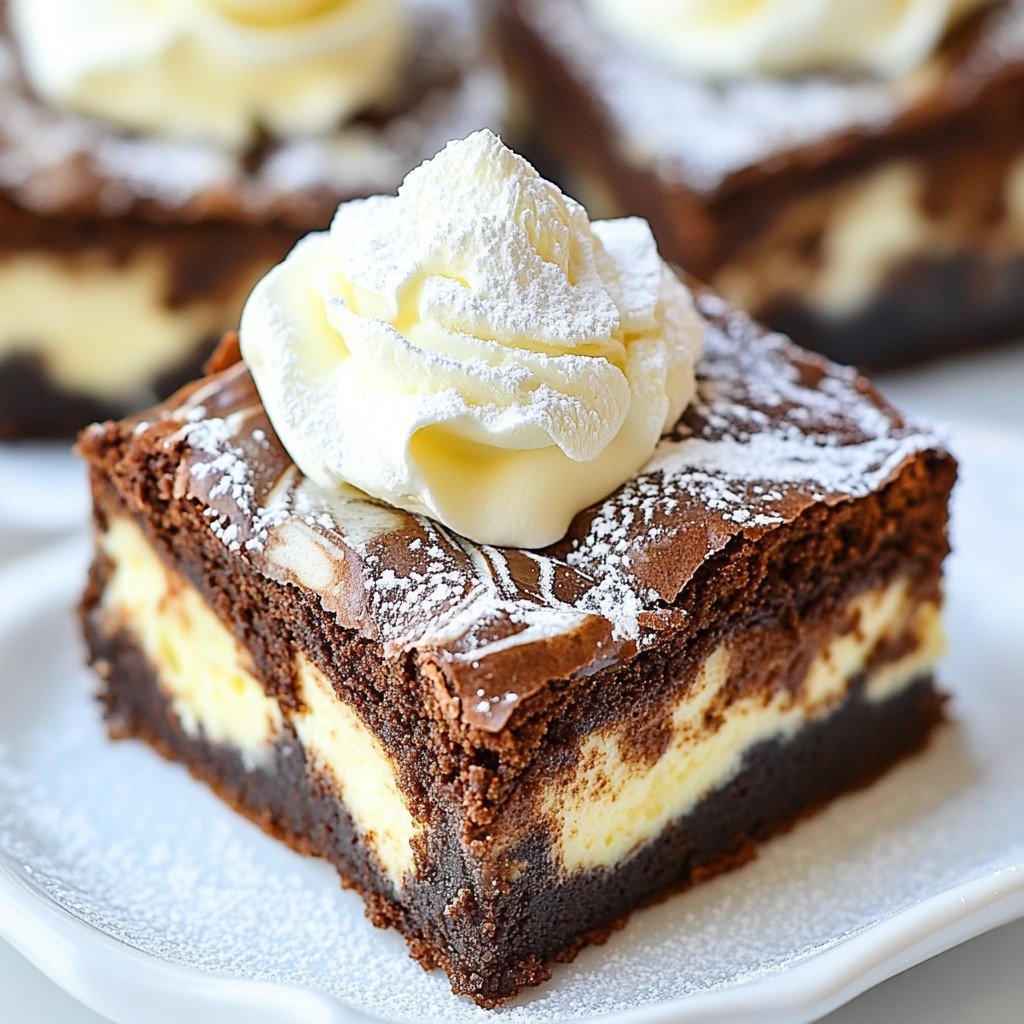

Looking for a dessert that’s both fresh and creamy? You need to try my Lemon Ricotta Cheesecake. This delightful treat combines the zesty taste of lemon with the smooth texture of ricotta. I’ll guide you through each step, from ingredients to baking. Whether you’re a novice or a pro, you'll impress everyone with this light and tasty cheesecake. Let’s dive into this sweet adventure!
Why I Love This Recipe
- Deliciously Creamy: This cheesecake combines the rich textures of ricotta and cream cheese, creating a velvety filling that's hard to resist.
- Perfectly Tangy: The fresh lemon juice and zest provide a bright, zesty flavor that balances the sweetness, making each bite refreshing.
- Easy to Make: With simple ingredients and straightforward steps, this cheesecake is accessible for bakers of all skill levels.
- Gorgeous Presentation: The dusting of powdered sugar and fresh berries not only enhances the flavor but also makes it visually stunning for any occasion.
Ingredients
Key Ingredients for Lemon Ricotta Cheesecake
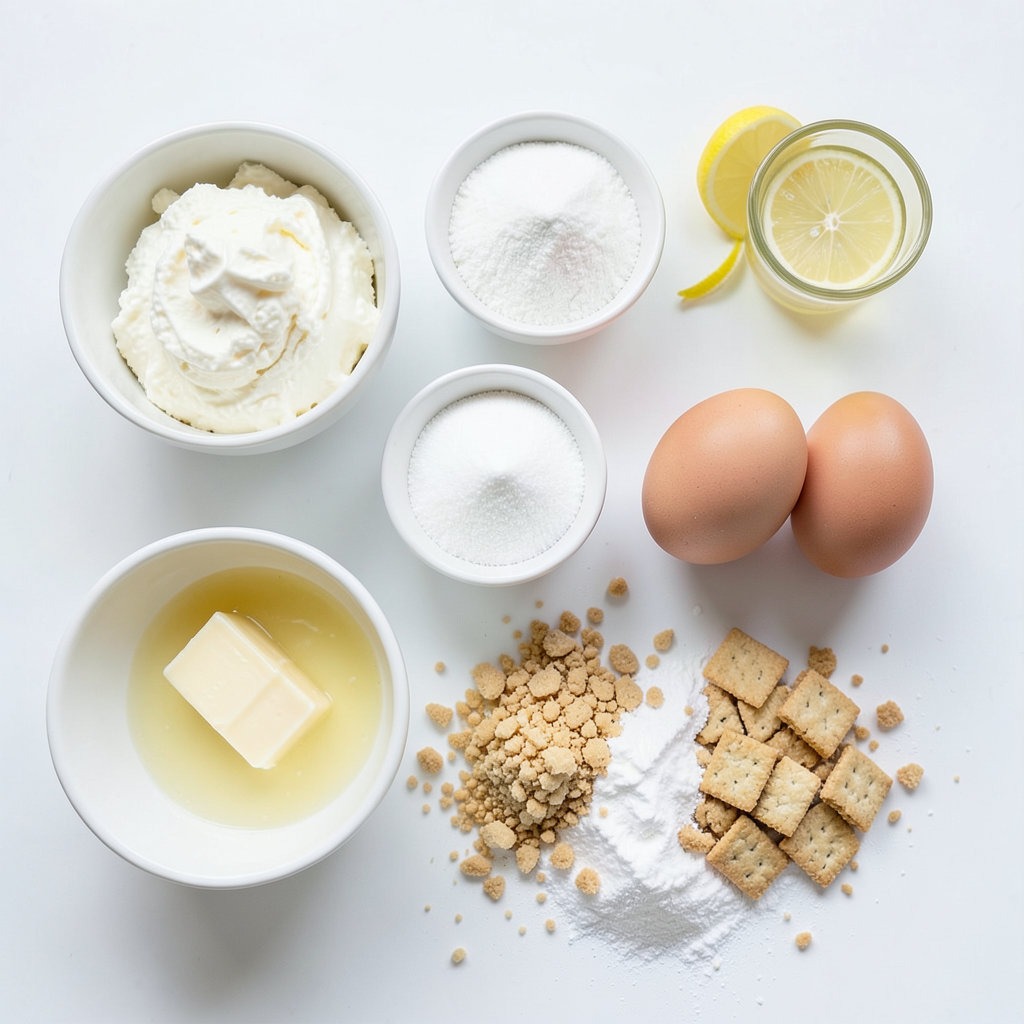
This cheesecake uses simple yet flavorful ingredients. Here’s what you need:
- 1 ½ cups ricotta cheese
- 1 cup cream cheese, softened
- 1 cup granulated sugar
- 3 large eggs
- 1/2 cup fresh lemon juice
- Zest of 2 lemons
- 1 teaspoon vanilla extract
- 1 cup crushed graham crackers
- 1/4 cup unsalted butter, melted
- 1 tablespoon powdered sugar (for dusting)
- Fresh berries for garnish (optional)
Ricotta cheese adds a creamy texture. Cream cheese gives it richness. Fresh lemon juice brightens the flavor. Zest adds a nice aroma. Together, these create a smooth and tangy filling.
Optional Garnishes and Toppings
Garnishing your cheesecake enhances its look and taste. Consider these options:
- Fresh berries: Strawberries, raspberries, or blueberries add color and freshness.
- Mint leaves: A sprig of mint gives a fresh touch.
- Lemon slices: Thin slices add a fun pop.
- Whipped cream: A dollop on top makes it extra special.
These garnishes make your cheesecake stunning and tasty.
Substitutions for Common Ingredients
You can swap some ingredients if needed. Here are ideas:
- Ricotta cheese: Use cottage cheese for a lighter option.
- Cream cheese: Neufchâtel cheese offers a lower-fat choice.
- Granulated sugar: Honey or maple syrup works well for sweetness.
- Lemon juice: Lime juice can be a fun twist.
- Graham crackers: Use crushed cookies or nuts for a different crust.
These substitutions can help you customize your cheesecake while keeping it delicious.
Step-by-Step Instructions
Preparing the Crust
Start by preheating your oven to 325°F (160°C). In a bowl, mix 1 cup of crushed graham crackers with 1/4 cup melted unsalted butter. Stir until the crumbs are wet. Next, press this mixture into the bottom of a 9-inch springform pan. Make sure it is even. Bake for 10 minutes, then let it cool completely.
Making the Cheesecake Filling
In a large bowl, combine 1 ½ cups ricotta cheese, 1 cup softened cream cheese, and 1 cup granulated sugar. Use an electric mixer to beat this mixture until it is smooth and creamy. Add 3 large eggs, one at a time, mixing well after each addition. Then, pour in 1/2 cup fresh lemon juice, the zest of 2 lemons, and 1 teaspoon vanilla extract. Mix until everything is smooth and well combined.
Baking and Cooling Process
Pour the cheesecake filling over the cooled crust in the springform pan. Bake it in the preheated oven for 50 to 60 minutes. The edges should be set, but the center can still jiggle a bit. After baking, turn off the oven and leave the cheesecake inside with the door slightly open for 1 hour. This helps it cool slowly. Once cooled, put the cheesecake in the fridge for at least 4 hours, or better yet, overnight. This waiting will help it set perfectly. Before you serve, dust the top with 1 tablespoon of powdered sugar and add fresh berries if you like.
Tips & Tricks
Achieving the Perfect Texture
To get a smooth and creamy cheesecake, use room-temperature ingredients. This helps all the components blend well. First, whip the ricotta and cream cheese together. Mix until there are no lumps. Add eggs one at a time, mixing after each addition. This step keeps the mixture light and airy.
Common Mistakes to Avoid
One common mistake is overmixing the batter. This can add too much air and cause cracks. Also, don’t skip the cooling step in the oven. Letting the cheesecake cool slowly helps prevent cracking. Lastly, be careful with baking time. If you bake too long, the cheesecake can dry out.
How to Enhance Flavor Profiles
You can boost the lemon flavor by adding more zest. Try using a mix of citrus fruits, like oranges or limes, for a twist. You can also add a pinch of salt to balance the sweetness. For a fragrant touch, consider a splash of almond extract.
Pro Tips
- Use Room Temperature Ingredients: Allow your cream cheese and ricotta cheese to come to room temperature before mixing. This ensures a smoother texture and easier blending.
- Don't Overmix: While it's important to combine the ingredients well, overmixing can introduce too much air into the batter, leading to cracks during baking. Mix just until combined.
- Cooling Process: After baking, let the cheesecake cool in the oven with the door slightly ajar. This gradual cooling helps prevent cracks and maintains a creamy texture.
- Garnish with Freshness: Fresh berries not only add a pop of color but also provide a refreshing contrast to the rich cheesecake. Consider using a mix of strawberries, blueberries, and raspberries.
Variations
Lemon Ricotta Cheesecake with Different Fruits
You can switch up the fruit to change the flavor. Fresh berries, like strawberries or blueberries, add a pop of color and taste. You can mix in the fruit or layer it on top. For a tropical twist, try adding diced mango or pineapple. These fruits pair well with lemon and enrich the creamy texture.
Gluten-Free Crust Options
If you need a gluten-free option, use almond flour or gluten-free graham crackers. Combine the flour with melted butter, just like you would with regular crackers. Press the mixture firmly into the pan. This crust will still hold the cheesecake well and add a nice nutty taste.
Chocolate or Berry Swirls
For a fun twist, create swirls in your cheesecake. Once you pour the filling into the crust, drop spoonfuls of chocolate or berry sauce on top. Use a knife to gently swirl it through the batter. This adds a stunning look and extra flavor. You can use store-bought sauces or make your own by cooking down fresh fruit with sugar.
Storage Info
How to Properly Store Lemon Ricotta Cheesecake
To keep your lemon ricotta cheesecake fresh, store it in the fridge. Place it in an airtight container. If you don’t have one, cover it tightly with plastic wrap. This keeps it moist and prevents it from absorbing other flavors. Remember, the cheesecake needs to stay cold to keep its creamy texture.
Freezing Options and Best Practices
You can freeze lemon ricotta cheesecake for longer storage. First, let it cool completely. Then, wrap it in plastic wrap and aluminum foil. This way, it won’t get freezer burn. It can stay in the freezer for up to three months. When you are ready to enjoy it, thaw it in the fridge overnight.
Shelf Life and Reheating Tips
Lemon ricotta cheesecake lasts about five days in the fridge. To enjoy it warm, slice a piece and microwave it for 15-20 seconds. This will give you a nice, creamy texture again. Always check for freshness before eating, especially if it’s been a few days.
FAQs
What Makes Lemon Ricotta Cheesecake Different from Traditional Cheesecake?
Lemon ricotta cheesecake uses ricotta cheese instead of cream cheese. This change makes it lighter and fluffier. The ricotta brings a fresh taste that pairs well with lemon. The bright, zesty flavor stands out more than in traditional cheesecakes. This dessert is also less dense and has a creamier texture. The lemon zest adds a nice pop of flavor, making each bite refreshing.
Can I Use Low-Fat Alternatives for This Recipe?
Yes, you can use low-fat ricotta and cream cheese. The cheesecake will still taste great. However, the texture may be a bit different. It may not be as rich and creamy as the original. If you choose low-fat options, ensure they are well-blended. This helps maintain a smooth filling. You can also cut back on sugar to make it healthier.
How Do I Know When the Cheesecake is Done Baking?
Check the edges of the cheesecake. They should be set and slightly firm. The center should still have a small jiggle when you gently shake the pan. This jiggle means it will firm up as it cools. If the edges are browning, it may be done. Always let it cool in the oven with the door ajar for an hour. This helps prevent cracks on the surface.
You now have all the steps to create a delicious lemon ricotta cheesecake. We covered key ingredients, from optional toppings to substitutions. I detailed the baking process and shared tips for the best texture and flavors. You also learned about fun variations and how to store your cheesecake properly.
Enjoy making this tasty dessert! Experiment, find your favorite tastes, and share with others. This cheesecake will impress everyone and become a new favorite recipe. Happy baking!