

Love sourdough? You're in for a treat! This Lemon Blueberry Sourdough Bread combines the tangy taste of lemon with juicy blueberries for a delightful twist. With simple steps and fresh ingredients, you'll create a loaf that bursts with flavor. Whether it’s for breakfast or a snack, this recipe is sure to impress. Ready to bake? Let’s dive into the yummy details!
Why I Love This Recipe
- Fresh and Fruity Flavor: The combination of lemon and blueberries creates a refreshing taste that brightens up any meal.
- Perfectly Textured Crust: This sourdough bread has a beautiful golden crust that adds a delightful crunch with every bite.
- Health Benefits: Blueberries are packed with antioxidants, making this bread not only delicious but also nutritious.
- Easy to Make: With just a few hours of rising time, this recipe is simple enough for both beginners and seasoned bakers.
Ingredients
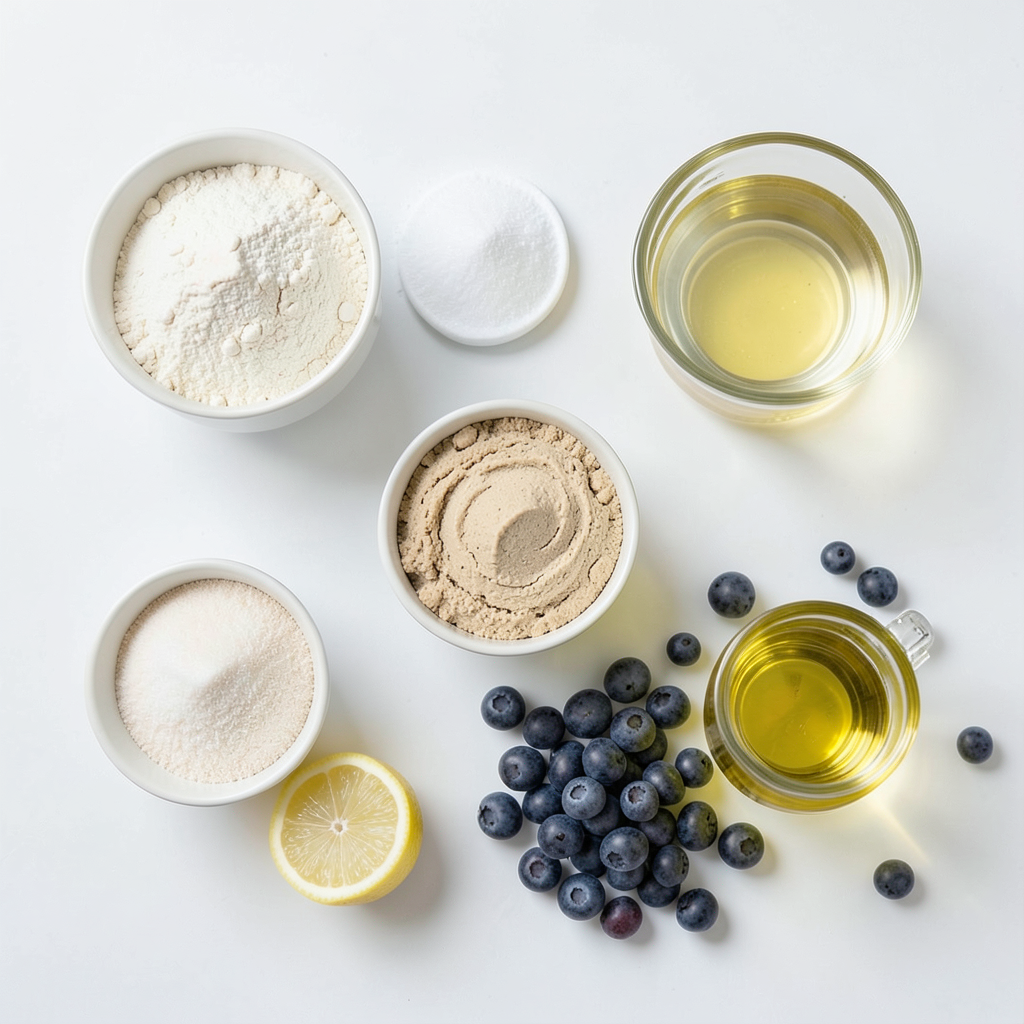
Let's gather all the key ingredients for the Lemon Blueberry Sourdough Bread. Having everything ready makes cooking fun!
- 3 cups all-purpose flour
- 1 cup bread flour
- 1 cup active sourdough starter
- 1 cup warm water (about 110°F)
- 1/4 cup granulated sugar
- 1 teaspoon salt
- Zest of 1 large lemon
- 1/4 cup fresh lemon juice
- 1 cup fresh blueberries (or frozen, if necessary)
- 1 tablespoon olive oil (for greasing)
Each ingredient plays a big role in the final flavor and texture.
All-Purpose Flour gives the bread structure. Bread Flour adds strength and chewiness. Sourdough Starter helps the bread rise and adds tangy flavor.
Warm Water activates the yeast in the starter. Granulated Sugar sweetens the bread and boosts fermentation. Salt enhances flavor and controls yeast activity.
Lemon Zest and Lemon Juice add refreshing citrus notes. Blueberries bring sweetness and a burst of flavor. Lastly, Olive Oil greases the bowl and helps with the dough's texture.
With this list, you're all set for a delightful cooking adventure!
Step-by-Step Instructions
Preparing the Dough
- Mixing Starter, Water, and Sugar
First, grab a large bowl. Add 1 cup of active sourdough starter and 1 cup of warm water. Make sure the water is about 110°F. Add 1/4 cup of granulated sugar. Stir until the sugar dissolves.
- Adding Flour and Forming Shaggy Dough
Gradually mix in 3 cups of all-purpose flour and 1 cup of bread flour. Use a wooden spoon to stir. You want a shaggy dough to form. Don’t worry if it looks messy; that’s normal!
- Incorporating Salt, Zest, and Juice
Now, add 1 teaspoon of salt, the zest of 1 large lemon, and 1/4 cup of fresh lemon juice. Mix well until everything combines. The dough should feel sticky but not too wet.
Kneading and First Rise
- Kneading Techniques
Turn the dough onto a lightly floured surface. Knead the dough for about 5-7 minutes. You want it to be smooth and elastic. Press, fold, and turn the dough as you work.
- Folding in Blueberries
Once the dough is ready, gently fold in 1 cup of fresh blueberries. Be careful not to crush them. You want those juicy bursts in your bread!
- Covering and Resting Dough
Place the dough in a greased bowl. Lightly coat it with olive oil to prevent sticking. Cover it with a damp cloth. Let it rest in a warm spot for 4-6 hours, or until it doubles in size.
Shaping and Second Rise
- Punching Down Dough
After the dough has risen, punch it down gently. This helps release any air bubbles.
- Shaping the Loaf
Shape the dough into a round loaf. Place it seam side up in a lightly greased proofing basket or bowl.
- Final Rise and Oven Preparation
Cover the loaf with a cloth. Let it rise for another 2 hours. Preheat your oven to 450°F (232°C) during the last 30 minutes of this rise.
Baking the Bread
- Preparing the Baking Sheet
Once the dough has risen again, carefully turn it onto a baking sheet lined with parchment paper.
- Slashing the Loaf
Optionally, make a few slashes on top of the loaf. This helps it expand while baking and adds a nice look.
- Baking Time and Temperature
Bake the bread for 30-35 minutes. It should turn golden brown and sound hollow when tapped on the bottom. Enjoy the aroma filling your kitchen!
Tips & Tricks
Achieving the Perfect Rise
To get that big rise, warmth is key. Keep your dough in a cozy spot. A warm room helps yeast do its best work. Aim for 75°F to 80°F. This warmth makes the dough grow fluffy and light.
Dough consistency matters too. You want it soft but not too sticky. If it feels sticky, add a little flour. If it's too dry, add a splash of water. The right feel makes a huge difference.
How to Handle Blueberries
Blueberries add joy to your bread, but they can be fragile. To keep them whole, fold them in gently. Use a spatula or your hands. This way, they stay intact and burst with flavor in each bite.
If using frozen blueberries, rinse them first. This helps reduce the juice they release. You want the bread to stay moist but not soggy. Add them straight from the freezer to the dough.
Troubleshooting Common Issues
Sometimes the bread comes out dense. If that happens, check your dough's rise. A good rise means a lighter bread. If it didn't rise well, it might need more time or warmth.
For flavor, always use fresh lemons. The zest and juice create a bright taste. If your bread lacks flavor, try adding a bit more zest or juice next time. A little extra can make a big difference!
Pro Tips
- Use Fresh Blueberries: Fresh blueberries will give your bread the best flavor and texture. If using frozen, ensure they are thawed and drained to avoid excess moisture in the dough.
- Check Dough Temperature: The ideal dough temperature for rising is around 75°F to 80°F. If your kitchen is too cool, consider placing the dough in a turned-off oven with the light on to create a warm environment.
- Slashing the Loaf: Making slashes on the top of the loaf not only enhances its appearance but also helps control the expansion during baking, allowing for a better rise.
- Cool Before Slicing: Allow the bread to cool completely on a wire rack before slicing. This helps the crumb set properly and improves the texture of each slice.
Variations
Ingredient Swaps
You can change the flavor by using orange zest instead of lemon. This swap gives your bread a fresh taste. You can also add nuts. Walnuts or almonds can add crunch and flavor. Just fold them into the dough along with the blueberries.
Dietary Adaptations
If you need a gluten-free option, use a gluten-free flour blend. Make sure the blend works for bread. This can help you get a great rise and texture. For vegan modifications, swap the honey for maple syrup. Use a plant-based starter too. This keeps the recipe vegan-friendly and delicious.
Serving Suggestions
This bread pairs well with a variety of spreads. Try it with cream cheese or lemon curd. These spreads enhance the lemony flavor. You can also serve it as a breakfast item. Toast a slice and enjoy it with your morning coffee. It makes breakfast special and brightens your day.
Storage Info
How to Store Leftovers
Room Temperature Storage You can keep the bread at room temperature. Wrap it in a clean kitchen towel. Place it in a bread box or a paper bag. This helps keep it fresh for about 2-3 days. Avoid plastic bags; they make the crust soft.
Refrigeration If you want to keep the bread longer, refrigerate it. Wrap it tightly in plastic wrap. This helps to keep it from drying out. The bread can last up to a week this way. Just remember, the crust may soften.
Freezing Options
Preparing for Freezing To freeze the bread, first let it cool completely. Slice the bread for easy thawing. Wrap each slice tightly in plastic wrap. Then, place the slices in a freezer bag. Label the bag with the date for easy tracking.
Thawing and Reheating Tips When you’re ready to enjoy it, take out a slice or two. Leave them at room temperature for about 30 minutes. You can also toast them directly from the freezer. This brings back the crispy crust and warm center. Enjoy your lemon blueberry sourdough bread even after freezing!
FAQs
What can I substitute for active sourdough starter?
You can use store-bought sourdough starter if you don't have your own. If you need a quick fix, mix 1/2 cup of plain yogurt with 1/2 cup of water and a bit of flour. This can mimic the tangy taste of sourdough starter. Remember, the flavor may differ but it will still work.
How do I know when the bread is fully baked?
The bread is done when it turns golden brown and sounds hollow when tapped. An instant-read thermometer can help too. The inside temperature should reach 200°F. If you check the bread and it’s not done, bake it for a few more minutes.
Can I make this recipe without blueberries?
Yes, you can! If you don’t like blueberries, try chopped nuts or dried fruits. You could also add a mix of seeds for crunch. Just keep the same amount to maintain the texture.
How long does the bread last once baked?
Once baked, the bread lasts about 2-3 days at room temperature. Store it in a bread bag or wrapped in a cloth. For longer storage, place it in the fridge for up to a week.
Can I use dried blueberries instead?
Yes, you can use dried blueberries. Just soak them in warm water for about 15 minutes to soften. This helps them blend better into the dough. Keep in mind that dried blueberries are sweeter, so you may want to reduce the sugar a bit.
This blog post guided you through baking a delicious lemon-blueberry sourdough bread. We explored the key ingredients, step-by-step instructions, helpful tips, and variations. I shared ways to store leftovers and answered common questions.
With practice, your bread will rise perfectly, bursting with flavor. Enjoy each bite, whether you share it or keep it all for yourself! Keep experimenting and have fun with your baking journey.